How to sell a sports card collection from an estate in Richmond
If this is you: you're clearing a parent's or relative's house, there's a deadline, and you just found boxes of cards you didn't know about.
If you're clearing a parent's or relative's house and found sports cards, here's the whole process in one line: don't sort them, don't throw them out, take three photos, and get one offer for everything. Most of the rest of this page is explaining why that's the right order.
First: what should I do with sports cards from an estate?
Two things happen to card collections in estates, and both cost the family money.
The first is that they get tossed. Someone sees a box of 1990 Topps, decides cards are worthless, and the whole closet goes to the curb, including the 1986 Fleer basketball stickers in a binder two shelves down. Collections are almost never one thing. The valuable pieces are usually mixed in with the common ones.
The second is that they get picked over. A cousin takes "a few for the kids," a neighbor who "knows cards" offers to look, and the two or three cards that were doing all the work walk out the door. What's left is genuinely common, and now it's worth less than it was.
So: leave it as you found it. Don't open sealed boxes or packs. Don't try to clean or flatten anything. Don't let anyone take "a few" until you've had it looked at as a whole.
Second: what kind of collection is it likely to be?
You don't need to identify anything. But it helps to know that collections from Richmond-area estates tend to fall into a few patterns, mostly based on when the person collected.
- Someone who collected as a kid in the 1950s–70s and kept the cards: usually a small number of cards in rough shape, and worth a careful look. Older cards are scarce, and even worn ones sell.
- Someone who collected in the 1980s and 90s, often for their kids: lots of boxes, complete sets, and binders. Most of it is common, but these are the collections most likely to have a sealed box, a stack of shiny basketball inserts, or a few key rookie cards set aside.
- A lifelong collector: organized, labeled, sometimes with cards already in graded cases. These are the easiest to price and often the most valuable.
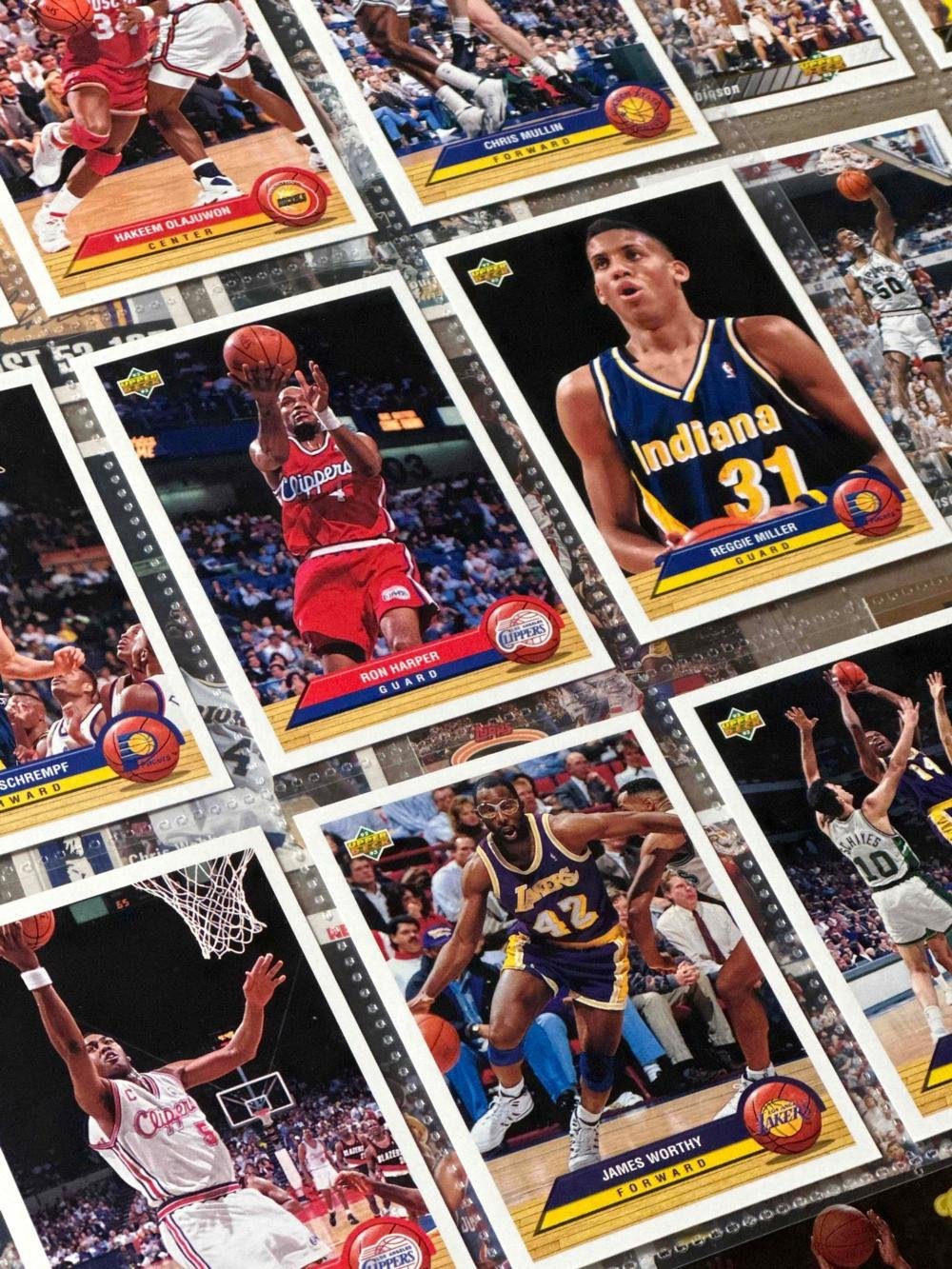
If you can tell us roughly which of these it looks like, we can tell you a lot before we ever see it in person. If you want to know what you're looking at yourself first, we've written plain guides to 80s and 90s baseball and 90s basketball.
Third: what photos do I need to get an offer?
This is the only work we'll ask you to do.
- The whole lot. Open the box or binder and take one picture so we can see what's inside and roughly how much there is.
- Card fronts. Spread ten or fifteen cards face-up on a table and take one photo from above. This is the one that lets us actually price it.
- Anything unusual. Sealed boxes with the wrap on, anything shiny, anything in a hard plastic case with a label. One photo each.
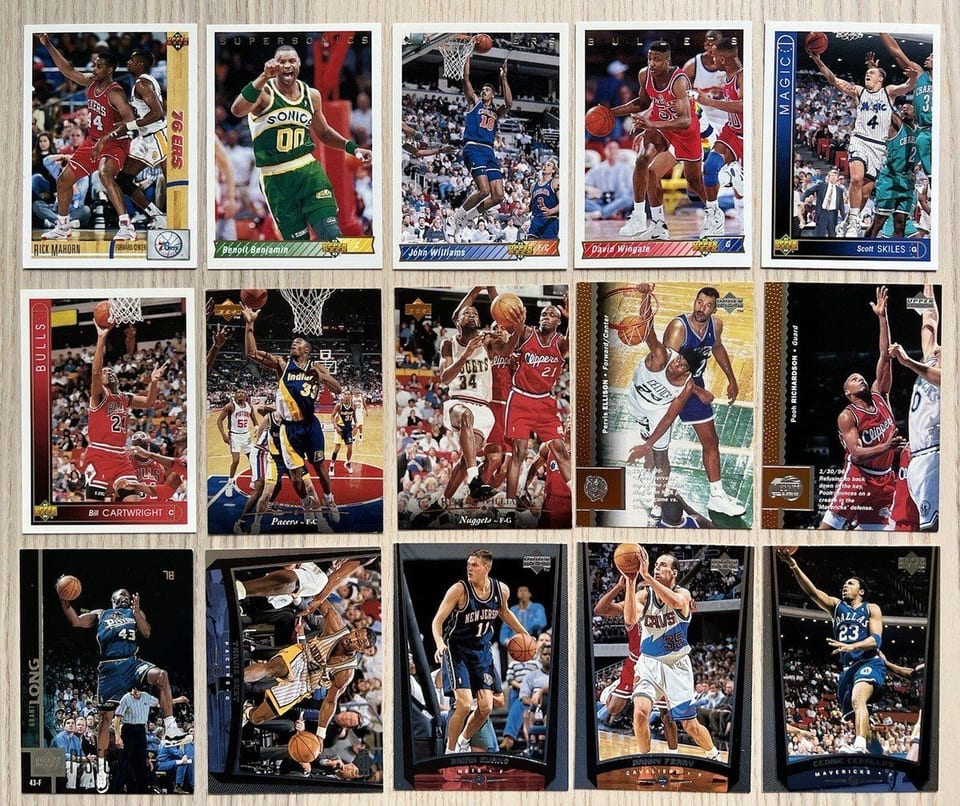
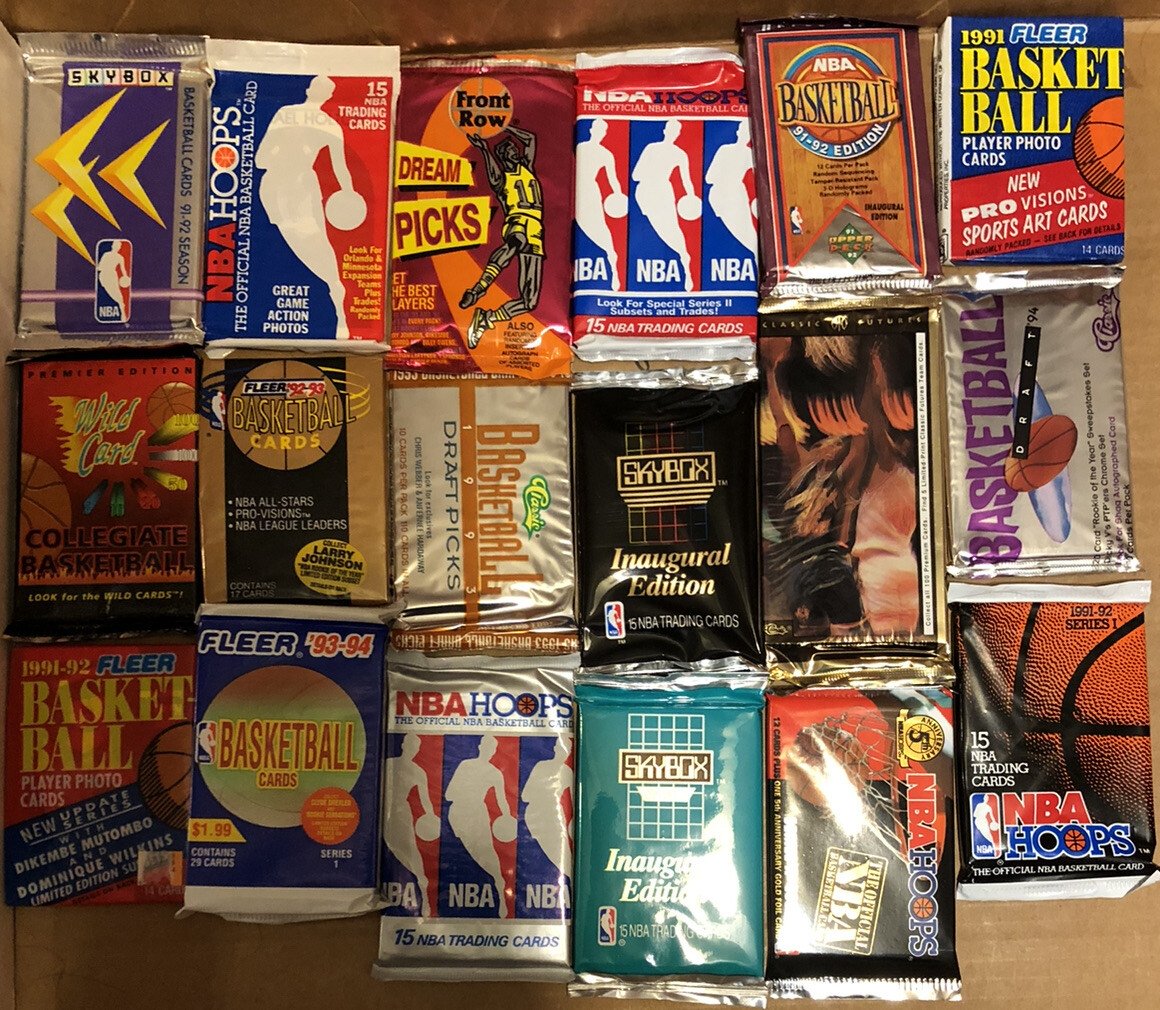
Send them through the form on this site or by text. We'll reply within 24 hours, usually the same day, with an offer for everything and a plain explanation of what's driving the number.
Fourth: can the family keep some of the cards?
Almost every family keeps something. A card of the player Dad loved, a binder he built with a grandchild, the one in the frame. Tell us what's staying and we'll price the rest. There's no penalty for it, and there's no pressure to decide on the spot.
Selling vs. donating. Some families would rather give the collection to a school, a Little League, or a kid who'll love it. That's a good ending, and if the collection is mostly common cards, it may be the best one. Just have it looked at first. The one card worth keeping, or worth real money, should come out before the donation box goes in the car. We'll tell you which ones those are even if you decide not to sell.
Found it somewhere else? A storage unit, a rental you're cleaning out, an attic in a house you just bought. Same three photos, same answer. You don't need to know anything about who collected it.
What if an estate sale company is handling the house?
Tell them you'd like the cards handled separately, before the sale. Most companies are glad to: cards are slow to price and sort, they take up table space, and a pre-sale offer means one less category to manage. We work with estate sale companies in the Richmond area regularly, and we're happy to coordinate directly with yours, come by before the sale date, and pay on the spot so it's off their list and yours.
If the company prefers to run the cards through their own auction, that's fine too. We'll bid there. But it's worth asking first, because a whole-lot offer is usually simpler for everyone.
How does the pickup and payment work?
We come to the house or wherever the cards are, on your schedule. We count it with you, pay by Zelle, Venmo, Cash App, or cash, whichever you prefer, and leave you a receipt with a description of what we bought and what we paid. Most pickups take under an hour. For larger collections, we're glad to meet at your bank instead.
What it's worth is a separate question from what it meant
We say this to every family: the number we can offer reflects what collectors will pay today, not what the collection meant to the person who built it. Sometimes that number is small. We'll still tell you honestly what's there, and we'll make sure anything worth keeping doesn't go out with the commons.
Settling an estate and not sure what you have? Send three photos and we'll tell you.
Get a cash offer