Are my 1980s and 1990s baseball cards worth anything?
If this is you: you found boxes of baseball cards in a closet, yours or a parent's, and you want a straight answer before you decide what to do with them.
The short answer: most of them, no. But it depends on the year, and almost every box from that era has a few things worth pulling out before you decide what to do with it. Here's how to tell in about ten minutes, without knowing anything about cards.
Why aren't most 1987–1994 baseball cards worth much?
Between about 1987 and 1994, card companies printed baseball cards in numbers nobody had seen before. Topps, Donruss, Fleer, Score, and Upper Deck were all competing, and they ran the presses hard. Millions of every card. People bought them by the case because they thought they'd be paying for college with them someday.
They didn't. Because so many were made, and so many were saved in good condition, there are still far more of them than there are people who want them. A 1990 Topps set that sold for $30 new sells for less than that today. A shoebox of 1991 Donruss commons is, honestly, worth about what the shoebox is.
That's not an insult to your collection or whoever built it. It's just what happened to that era, and anyone who tells you otherwise is either guessing or selling something.
How do I tell what years my baseball cards are from?
Look at the back of a few cards. There's a copyright year on almost every one.
- 1987 to 1994: the overproduced years. Assume most of it is common, then look for the exceptions below.
- 1980 to 1986: better. Still a lot of these around, but the big names from these years hold real value, especially in nice shape.
- 1979 and earlier: worth a closer look no matter what. Send photos.
- 1995 to 2005: print runs dropped and the companies started making rarer "insert" cards. Ordinary cards from these years are still common, but the shiny ones can be worth something.
Which 1980s and 1990s baseball cards are still worth money?
Even in the overproduced years, a handful of things still sell.
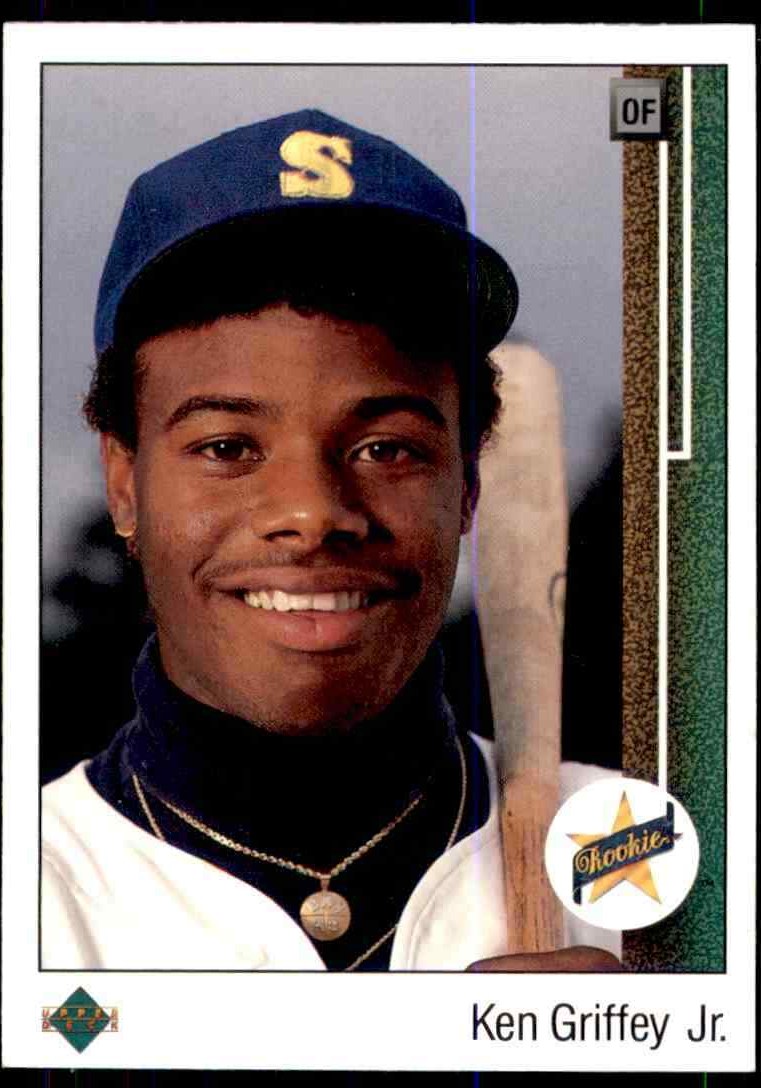
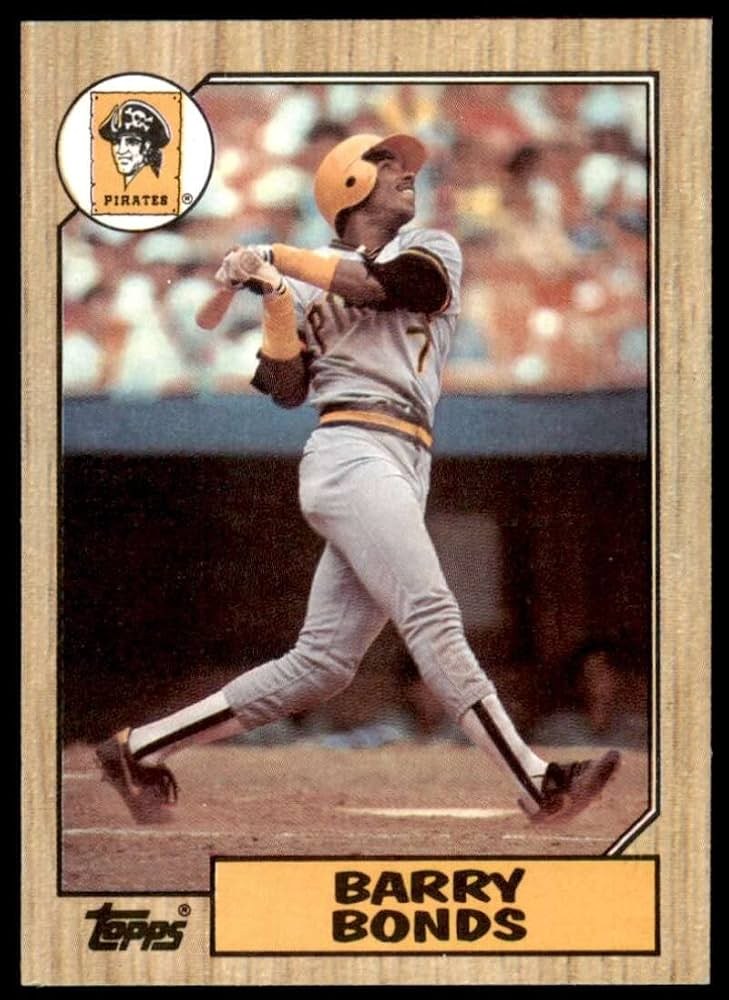
A few specific rookie cards. The famous one is the 1989 Upper Deck Ken Griffey Jr. It was printed by the truckload too, but people still want it, and in perfect condition it's worth real money. Others from these years that still move: Barry Bonds (1986–87), Frank Thomas, Chipper Jones, Derek Jeter (especially the 1993 SP), Mariano Rivera, and Mike Piazza. If you see those names on a card marked "rookie" or from their first year, set it aside.
Anything that says "Refractor," "Finest," or looks like a mirror. Starting around 1993, some cards were made with a shiny, reflective finish. These were much rarer than the regular cards and are still collected.
Unopened boxes and packs. A sealed box from these years isn't a lottery ticket the way people hope, but it's worth more sealed than opened, because the sealed ones are getting scarcer. Don't open them to check what's inside.
Older cards mixed in. Collections get combined over time. It's common to find a stack of 1970s cards in the back of a 1990 Topps box because someone's uncle added them. Those are worth looking at.
Anything in a hard plastic case with a label. That's a graded card. Somebody paid to have it authenticated and scored, which usually means they thought it was worth it.
A basketball box in the same closet. If there is one, open that first. Basketball from the same years held up better, and we cover exactly what to look for in Are 1990s basketball cards worth anything?.
What is a box of 1980s–90s baseball cards actually worth?
Honestly: a lot of commons, a couple of complete sets, some team bags, maybe one or two of the names above. We'll pay for the whole thing so you don't have to sort it, but the number will mostly reflect those few good pieces and the sealed product, not the volume. If someone offers you a lot of money for 5,000 1990 Fleer commons, ask them what they know that we don't.
What to do next
If it's mostly 1987–1994 and you don't see any of the exceptions, it's fine to give it to a kid, a school, or a thrift store and feel good about it. If it's part of an estate, here's how to handle the whole thing without sorting it. If you're not sure, or you see a few of the names above, send us three photos: the box open, a spread of ten or fifteen cards face-up, and anything shiny, sealed, or in a case. We'll tell you what you have and what we can pay, usually the same day. And if the honest answer is "not much," we'll say that too.
Not sure what you have? Send three photos and we'll tell you.
Get a cash offer