Are 1990s basketball cards worth anything? Which ones to look for
If this is you: there's a box of basketball cards from the 90s in the closet or garage, and you half-remember some of it being a big deal.
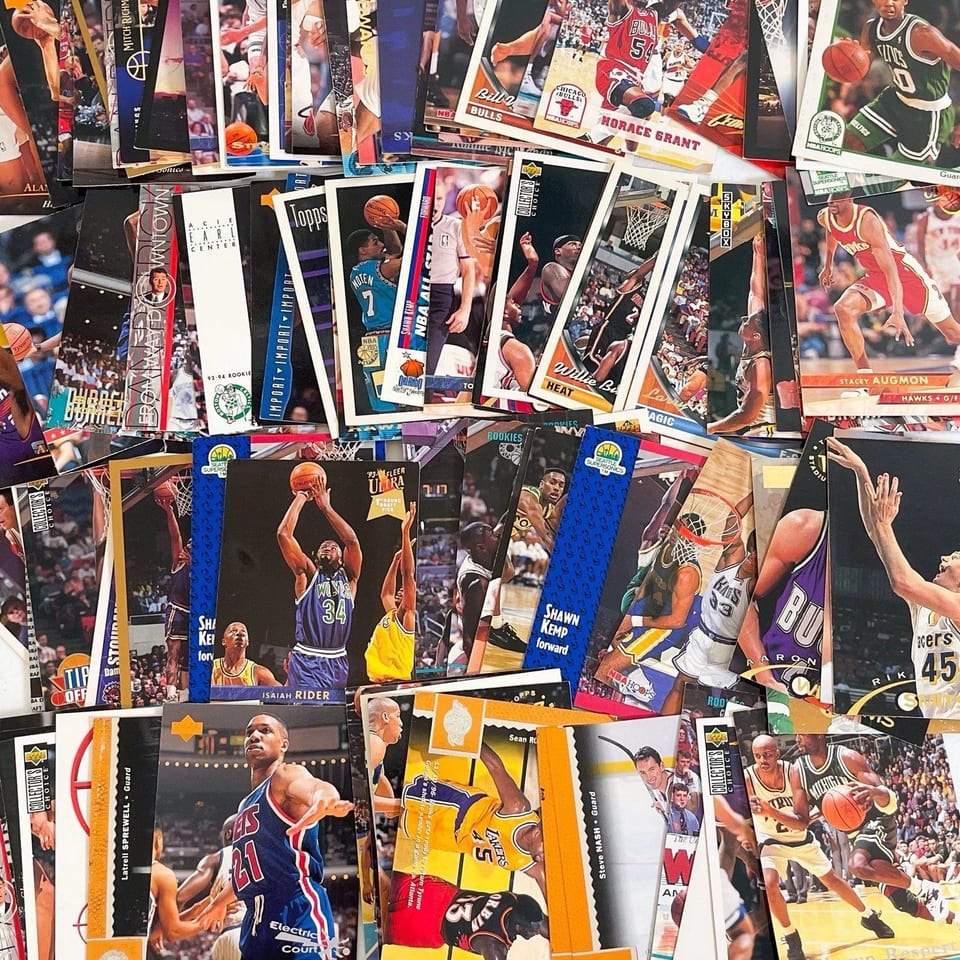
Yes, more often than baseball from the same years. Most of the cards in a 1990s basketball box are still common, but that decade produced the shiny, limited "insert" cards that collectors chase today, and it had Michael Jordan in his prime and Kobe Bryant's first years. If there's a basketball box in the closet, it's the one worth opening first.
Here's what to look for, in the order you'll probably find it.
Which 1990s basketball players' cards are worth money?
Flip through and pull anything with these players on it. You don't need to know what set it's from yet.
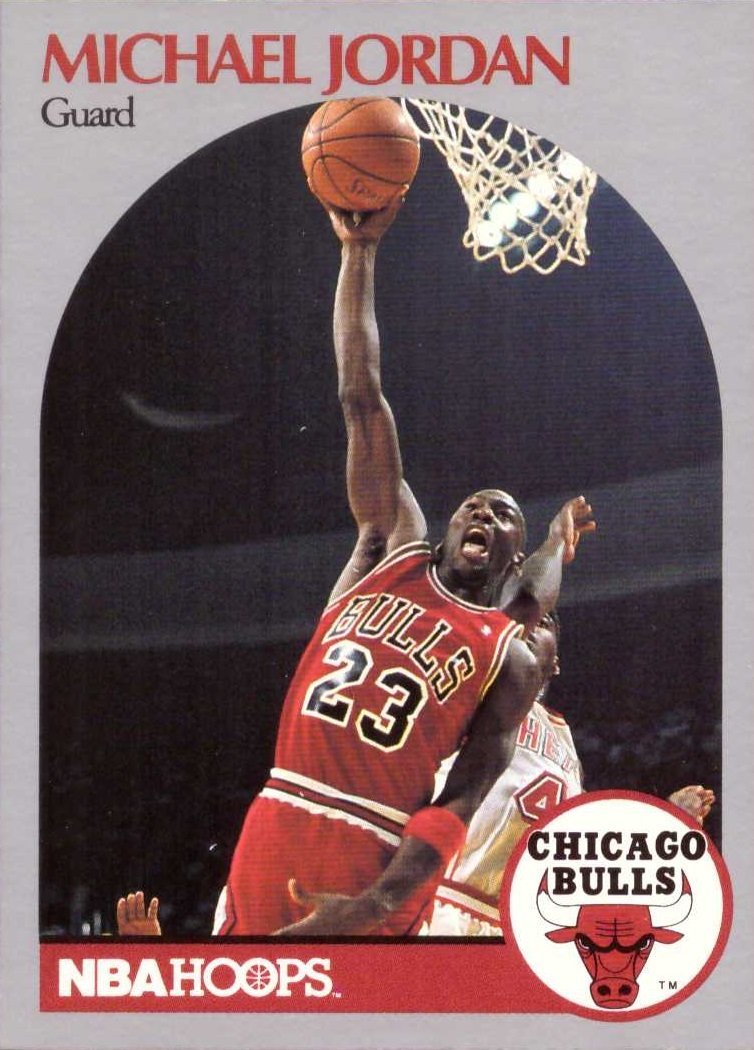
- Michael Jordan. Almost any Jordan card from the 90s sells. The plain ones for a few dollars, the shiny or numbered ones for a lot more.
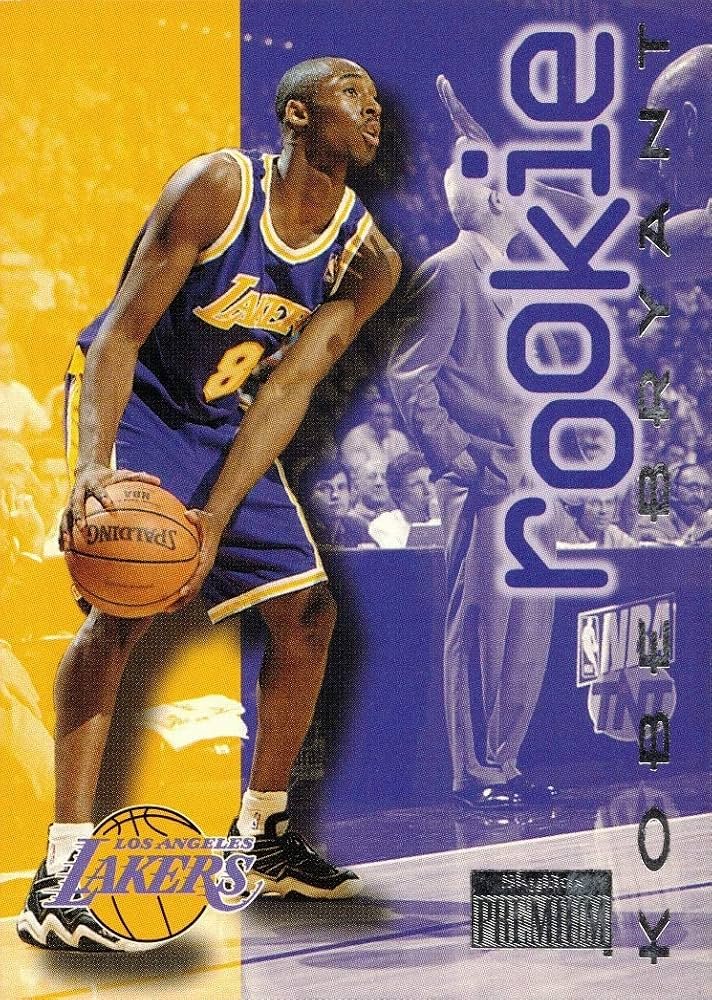
- Kobe Bryant. His first cards are from 1996–97. Anything from that season with his name on it is worth setting aside.
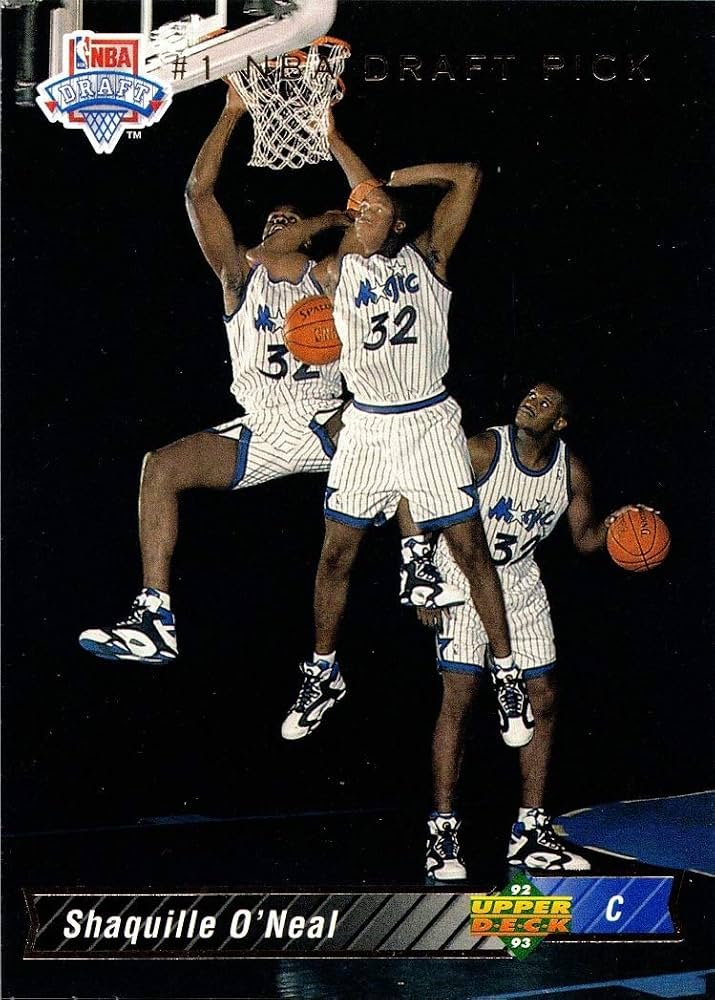
- Shaquille O'Neal. First cards are 1992–93. Same idea.
- Allen Iverson, Kevin Garnett, Tim Duncan, Vince Carter, Dirk Nowitzki, Tracy McGrady. All had their first cards in the mid-to-late 90s.
- Larry Bird, Magic Johnson, Charles Barkley, Scottie Pippen, Hakeem Olajuwon, Karl Malone. Not rookies in the 90s, but still collected.
If you find a Jordan or a first-year Kobe, keep going. That box is worth a careful look.
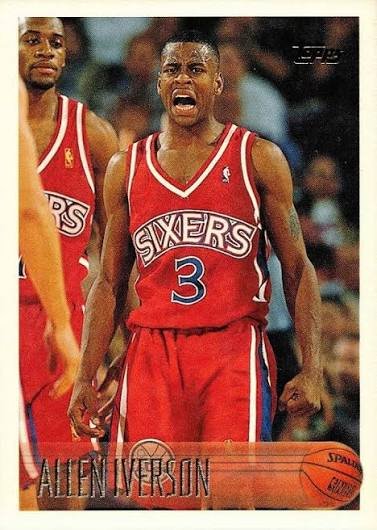
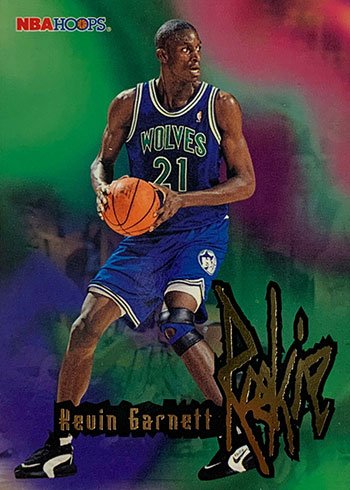
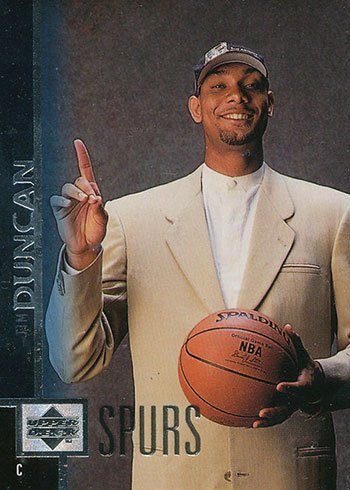
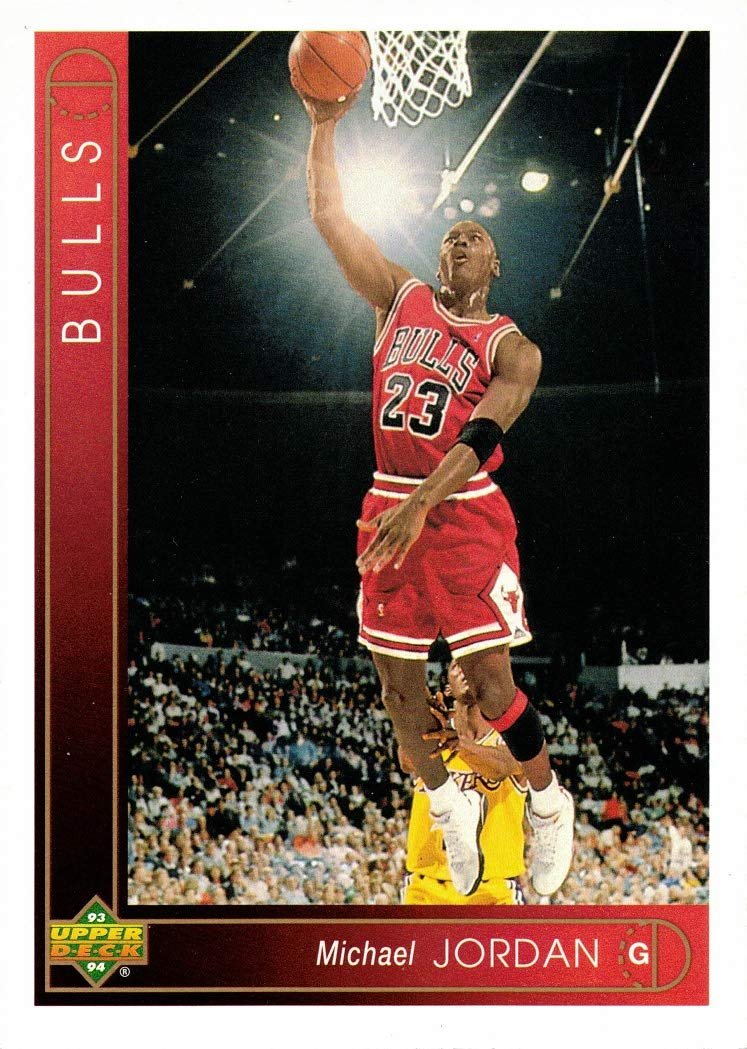
Are 1990s Michael Jordan cards worth anything?
There are hundreds of different Jordan cards from the 90s, and they fall into three rough tiers:
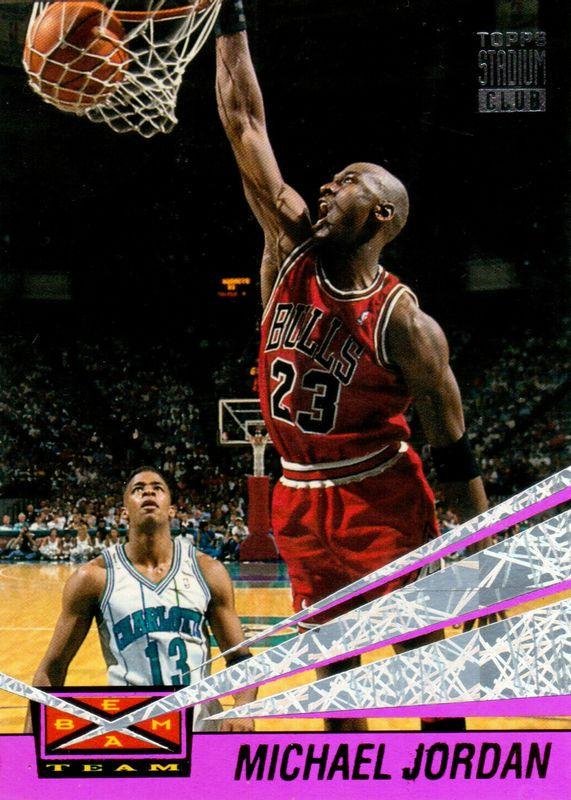
- A regular card from a 90s set (Hoops, Skybox, Upper Deck, Fleer, Topps). Worth a few dollars each, more in perfect shape. Nice to have, not life-changing.
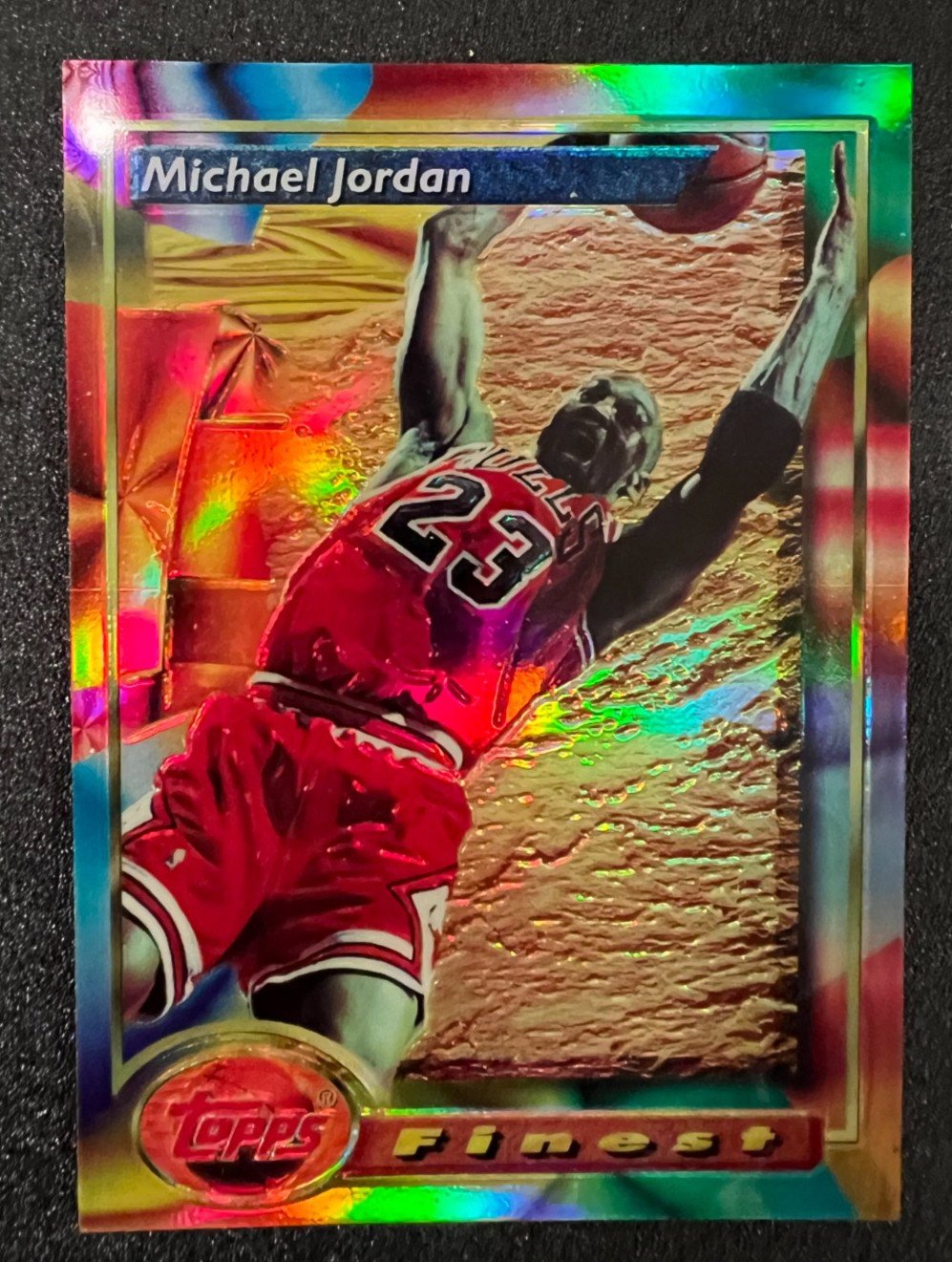
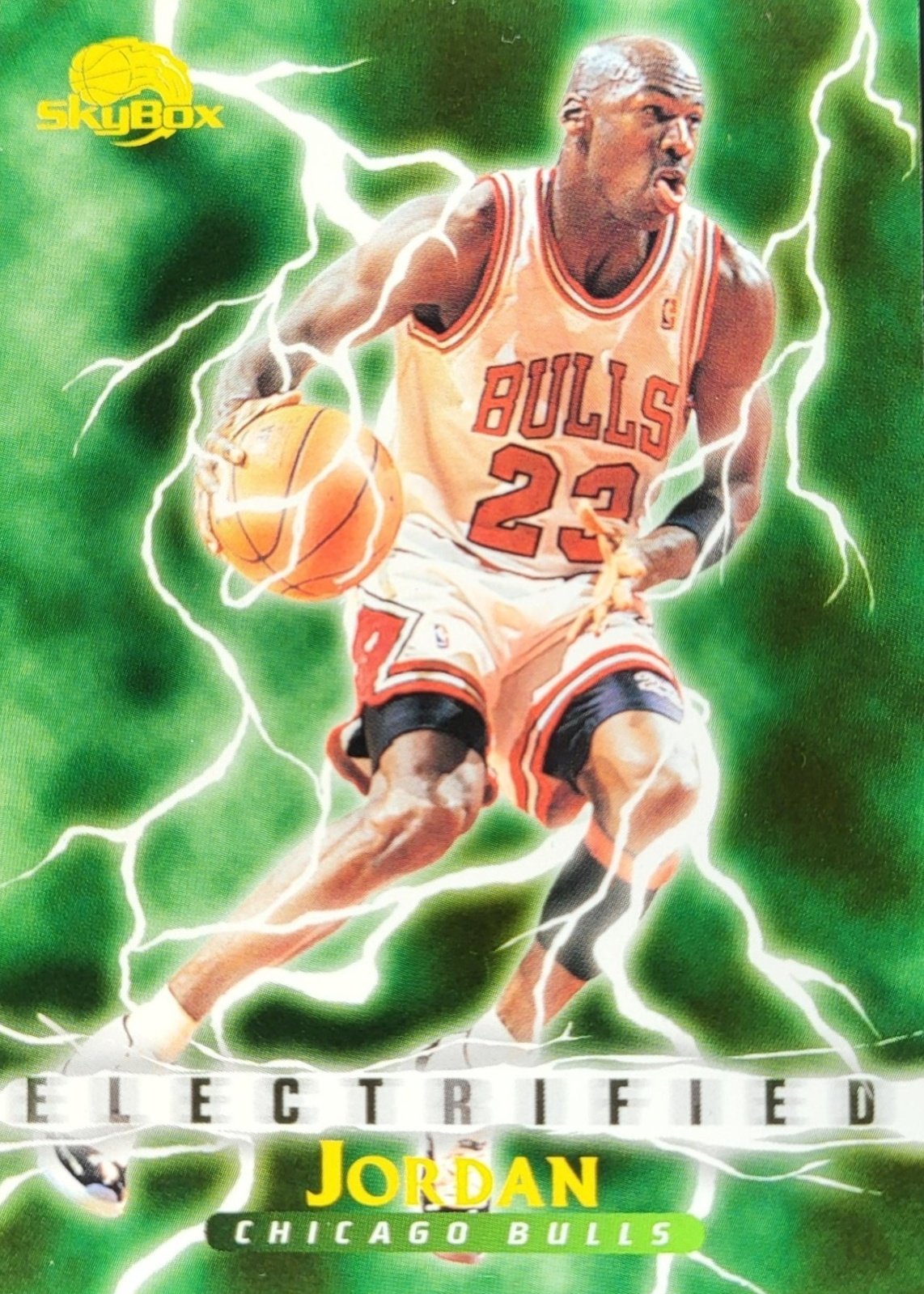
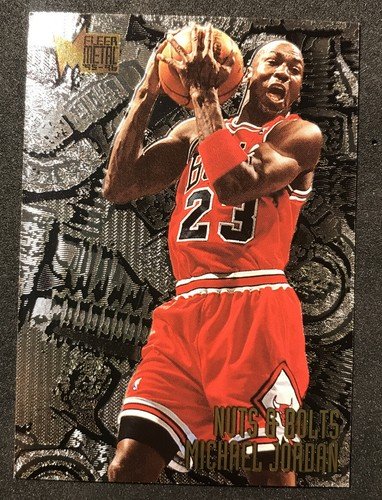
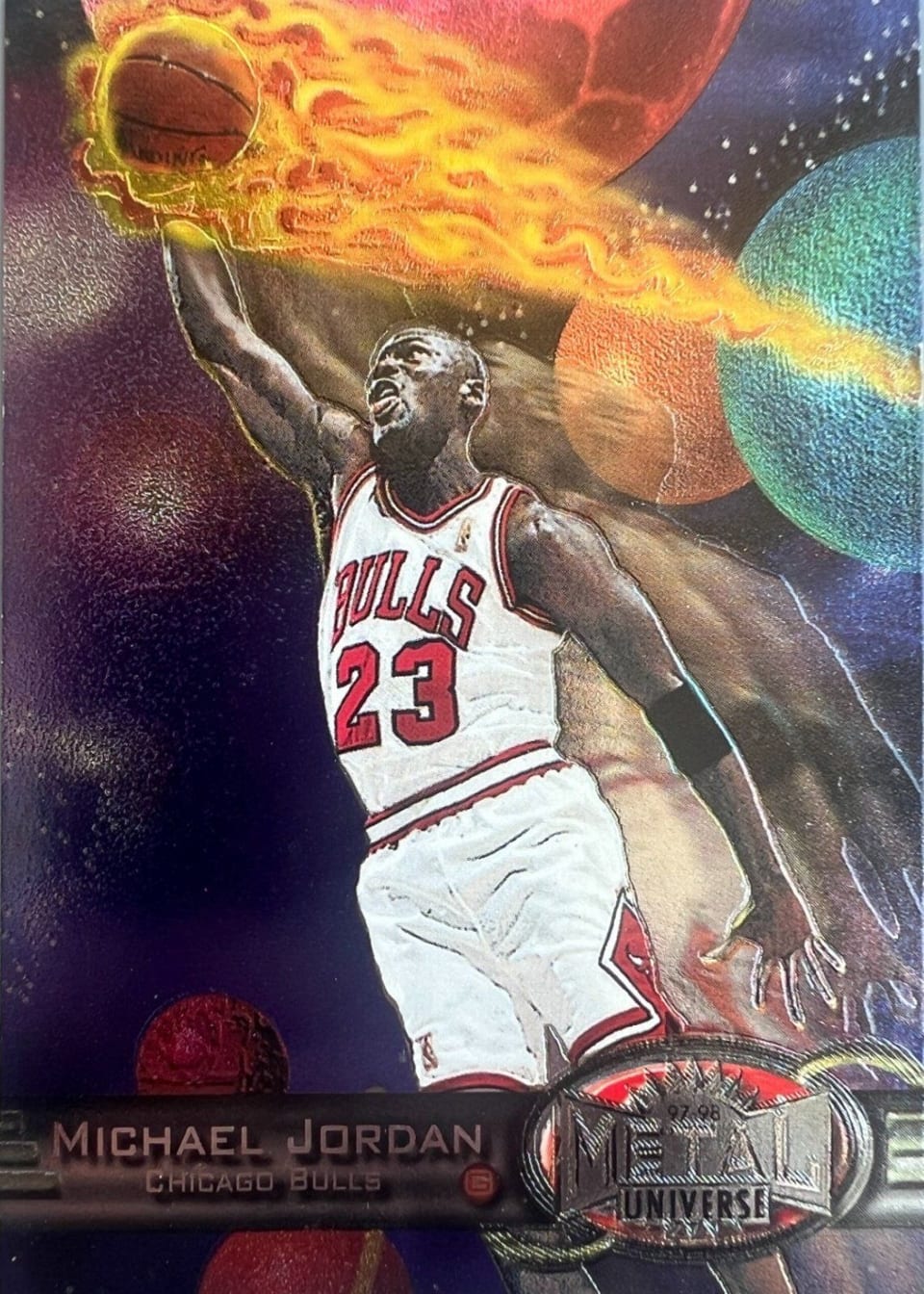
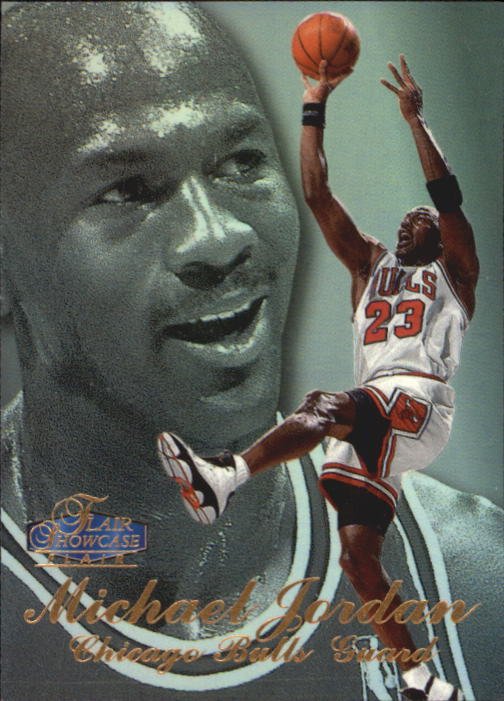
- A shiny or limited insert. Refractors, Metal, Finest, anything numbered. These are where a Jordan card goes from a few dollars to real money, sometimes a lot of it.
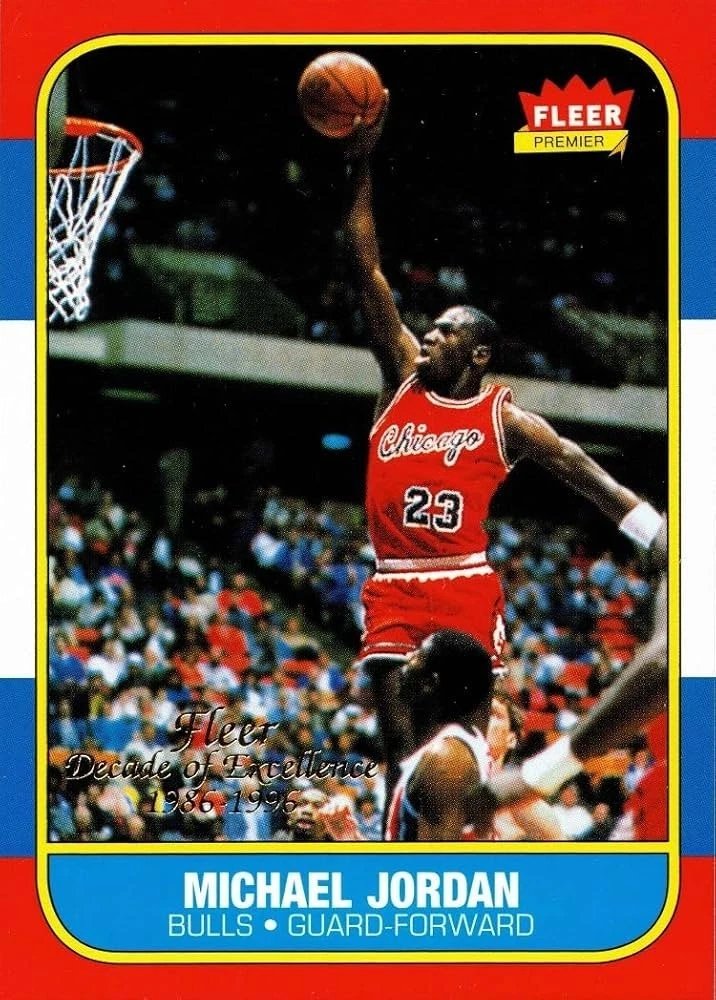
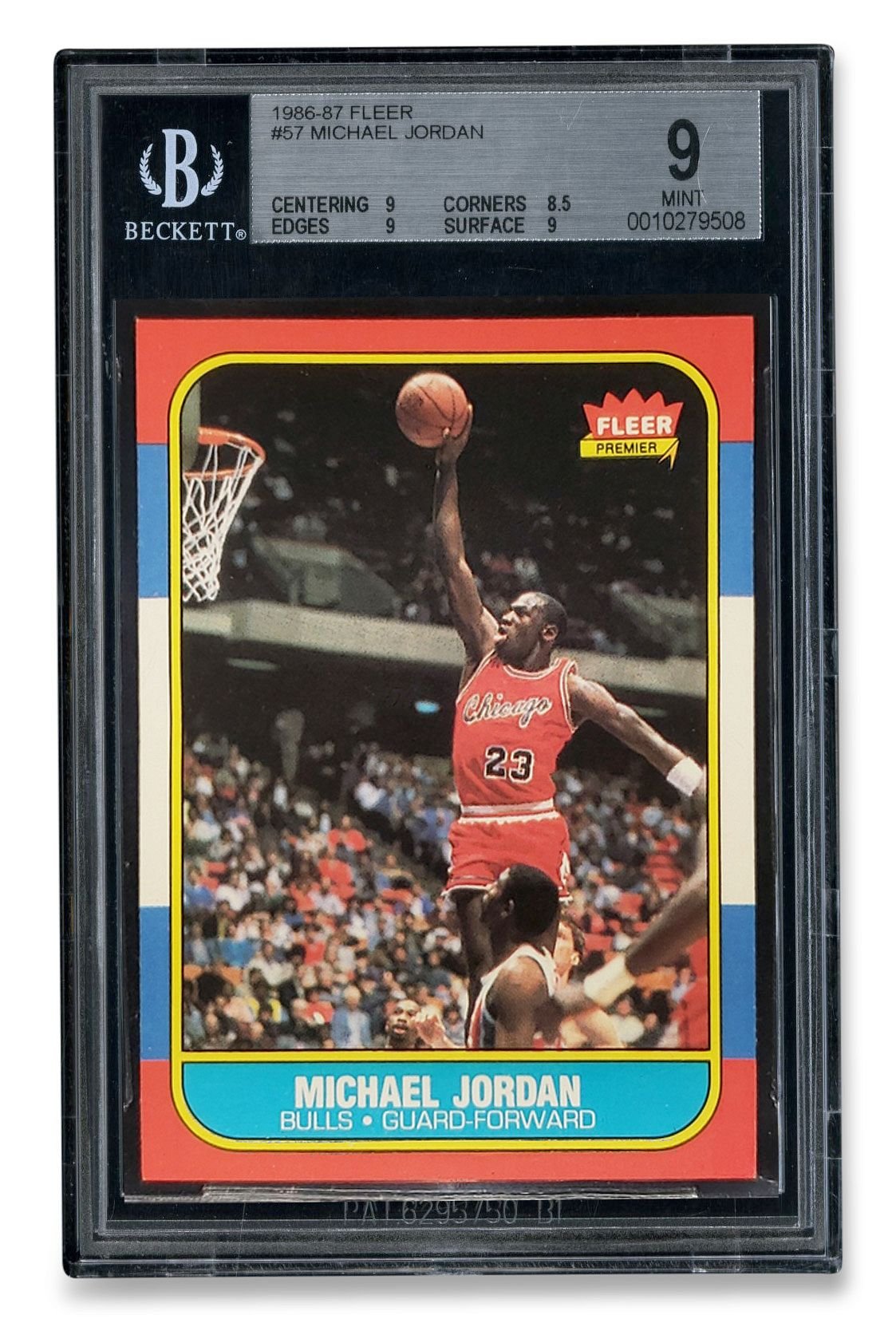
- A 1986–87 Fleer. His first card, and the one everybody has heard of. Worth serious money in any condition.
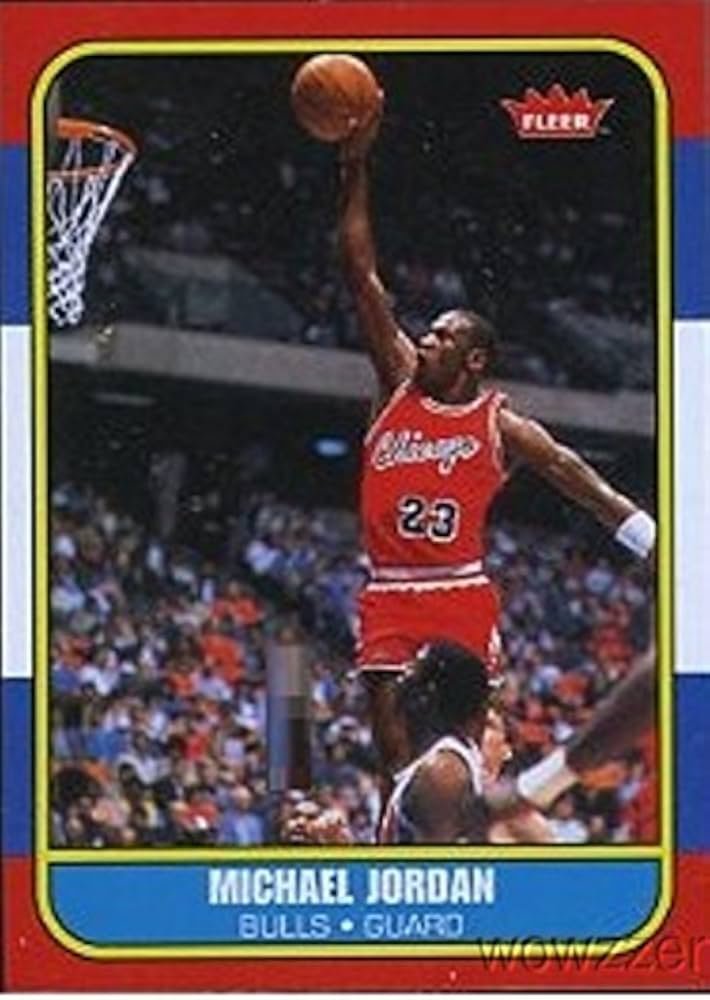
One caution on that last one: the 1986 Fleer Jordan is one of the most counterfeited cards ever made, and so are its stickers. If you find one, don't get excited or discouraged yet. Send us a photo of the front and the back and we'll tell you what we see.
What are the shiny 1990s basketball cards, and are they worth anything?
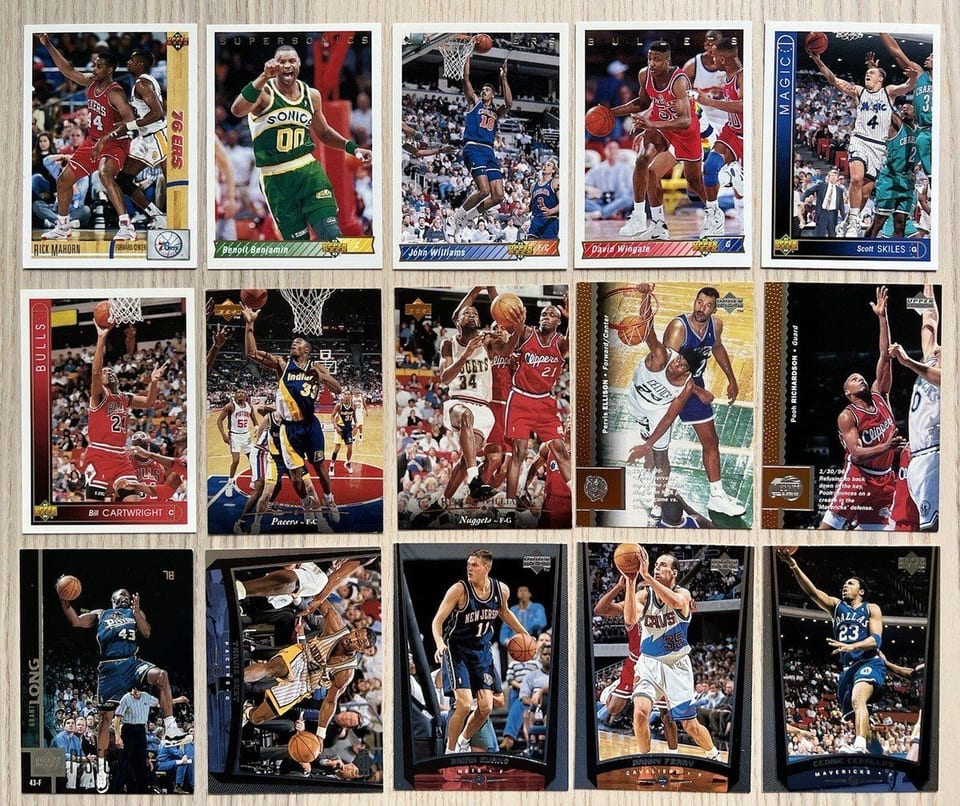
This is the big difference from baseball. In the mid-90s, basketball card companies started putting rarer cards in packs: reflective finishes, foil, see-through plastic, thicker stock, embossed textures. These were called inserts, and some of them are the most valuable cards of the decade.
You'll know one when you see it. Hold a stack at an angle under a light. The ones that catch it, or look like a mirror, or feel different in your hand, go in a separate pile. Names you might see printed on them: Refractor, Finest, Metal, Precious Metal Gems, E-X2000, Flair Showcase, Chrome, Skybox Premium, Hoops, Ultra Gold Medallion, Fleer Metal Universe.
Don't worry about which is which. Just separate shiny from plain, and send us a photo of the shiny pile.
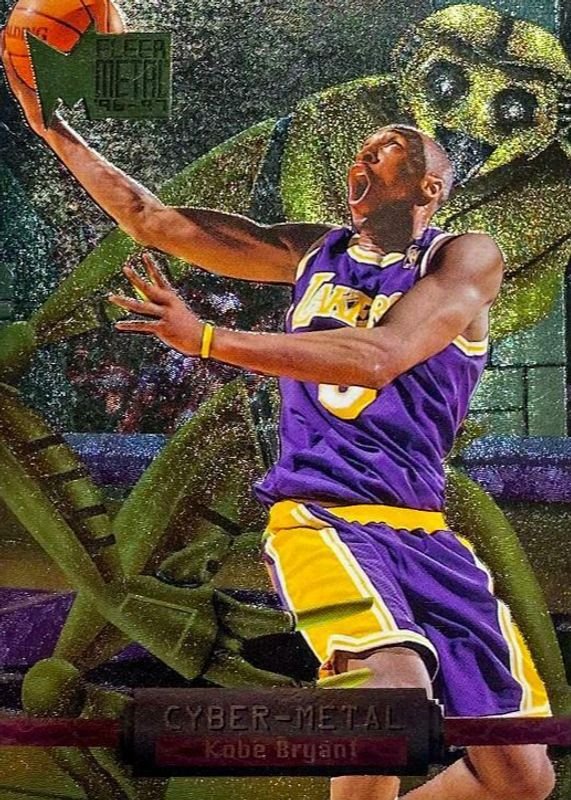
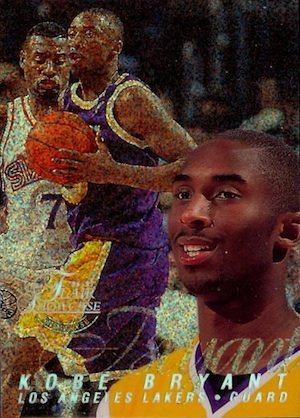
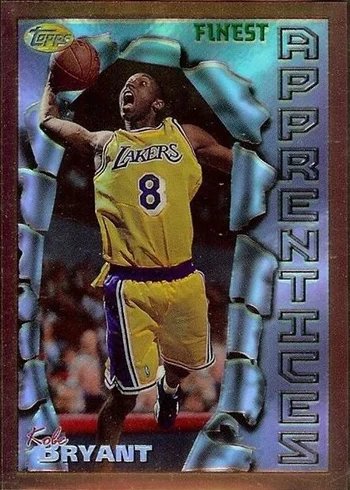
Which years of basketball cards are worth the most?
Copyright year on the back, same as any card. Look near the bottom of the card back for the copyright line and use that year as your starting point.
- 1986–87 and earlier: rare for a 90s box to have these, but if you see "Fleer" on a basketball card from 1986, stop and send a photo. That set has Jordan's first card and stickers that are worth real money even in rough shape.
- 1989–1994: the overproduced years for basketball too. Plain cards from Hoops, Skybox, Fleer, and Upper Deck are common. Jordans and the first shiny cards are the exceptions.
- 1995–2000: the sweet spot. Print runs dropped, inserts got serious, and Kobe, Iverson, Duncan, and Carter all showed up. A box from these years is the one we most want to see.
- 2001–2005: still good. LeBron's first cards are 2003–04, and those are among the most sought-after modern cards.
Are unopened boxes of 1990s basketball cards worth anything?
An unopened box of 1996–97 or 1997–98 basketball from the major brands is worth a real amount sealed, sometimes more than everything else in the closet combined. Don't open it to check. Send a photo of the box with the wrap on.
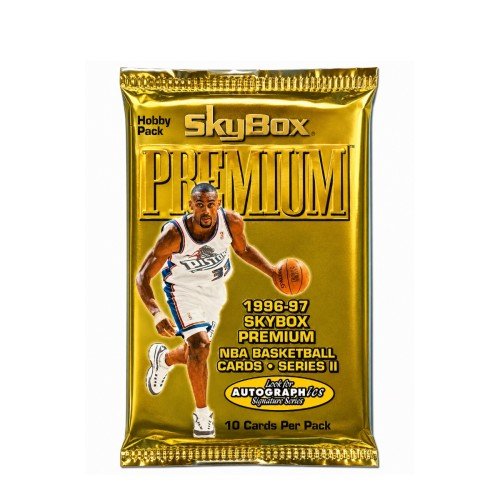
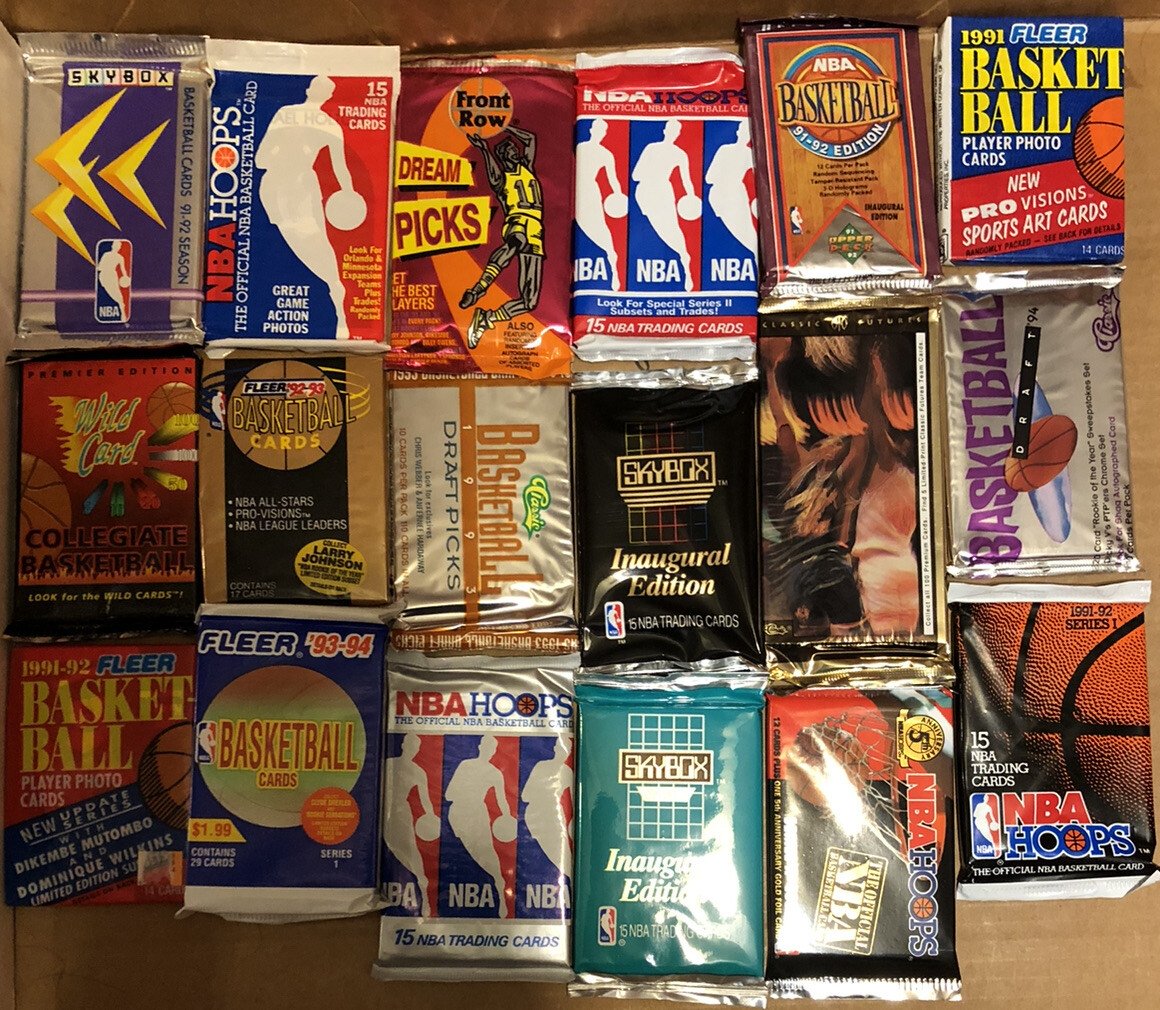
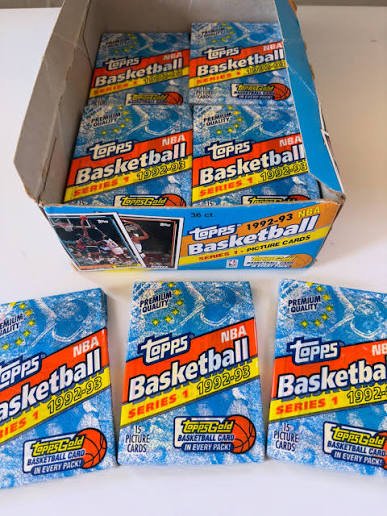
The early-90s packs above are the ones you'll find most often. They aren't rare, and the cards inside are mostly common, but sealed packs from any year sell for more than the same cards opened, and a box of them adds up. The 1996–98 packs, like the Skybox Premium at the top, are the ones that can be worth real money on their own.
Does condition matter, and should I get cards graded before selling?
A card that's worth $40 with soft corners might be worth several hundred if it's perfect and gets a top grade. That's why we look closely at corners, edges, and centering, and why a card that spent thirty years in a rubber-banded stack is usually worth less than the same card from a binder page. You don't have to judge this yourself. Just don't try to clean, flatten, or "fix" anything before you send photos.
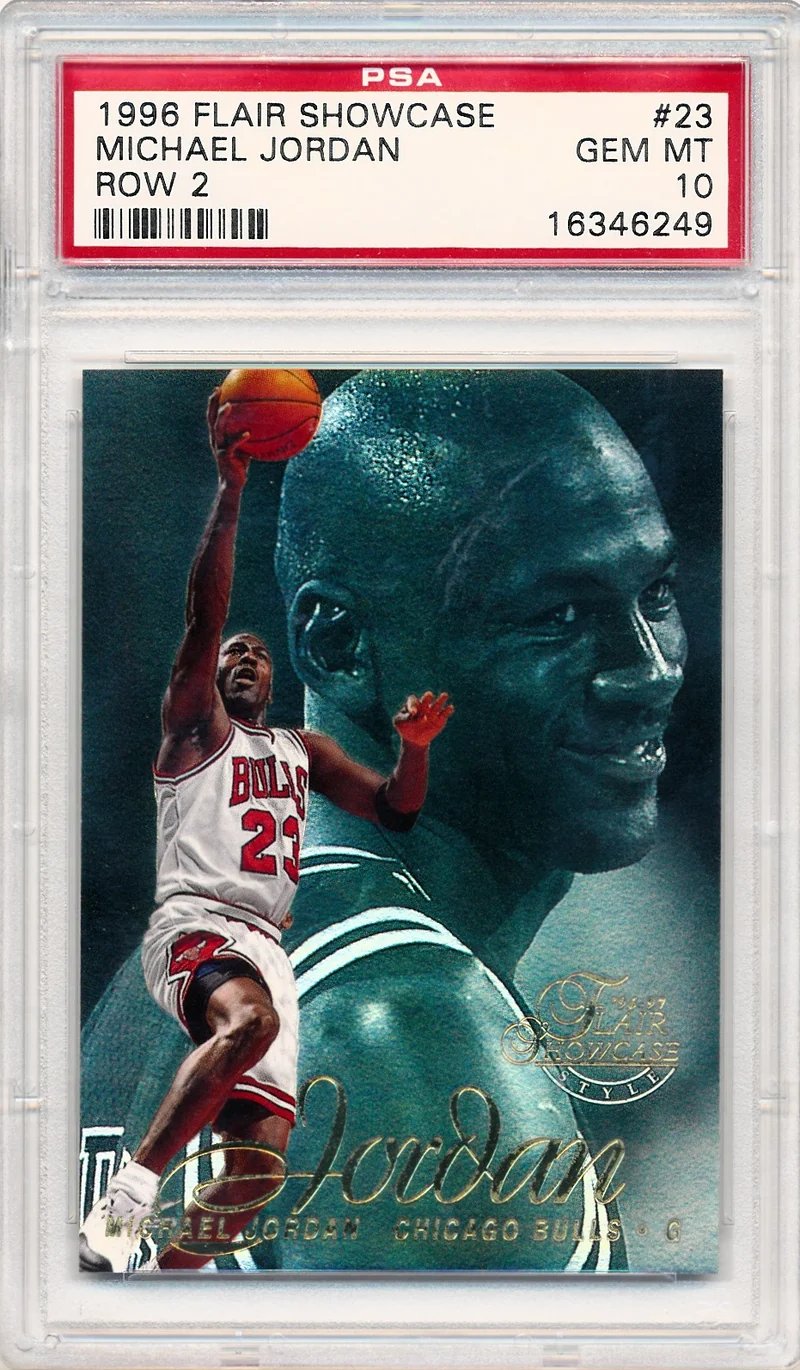
People also ask whether they should get a card graded before selling it. Usually not. Grading costs money and takes weeks, and if the card comes back lower than hoped, you've paid to lower your own price. That's a risk we're set up to take, and our offer already accounts for it.
What is a box of 1990s basketball cards worth as a lot?
Mostly commons, some Jordans, a stack of inserts the original owner clearly knew were special, and maybe a sealed box in the bottom. The offer will be driven by the Jordans, the first-year cards of the players above, the shiny pile, and the sealed product. We'll price the whole thing so you don't have to separate anything, and we'll tell you which pieces are doing the work.
What to do next
Pull the names, separate the shiny from the plain, leave the sealed stuff sealed. If the box is part of an estate you're settling, start here instead. If you're just tired of moving it, this is for you. Then send us three photos: the whole box open, ten or fifteen cards face-up on a table, and the shiny and sealed pile. We'll tell you what you have and what we can pay, usually the same day.
Not sure what you have? Send three photos and we'll tell you.
Get a cash offer